
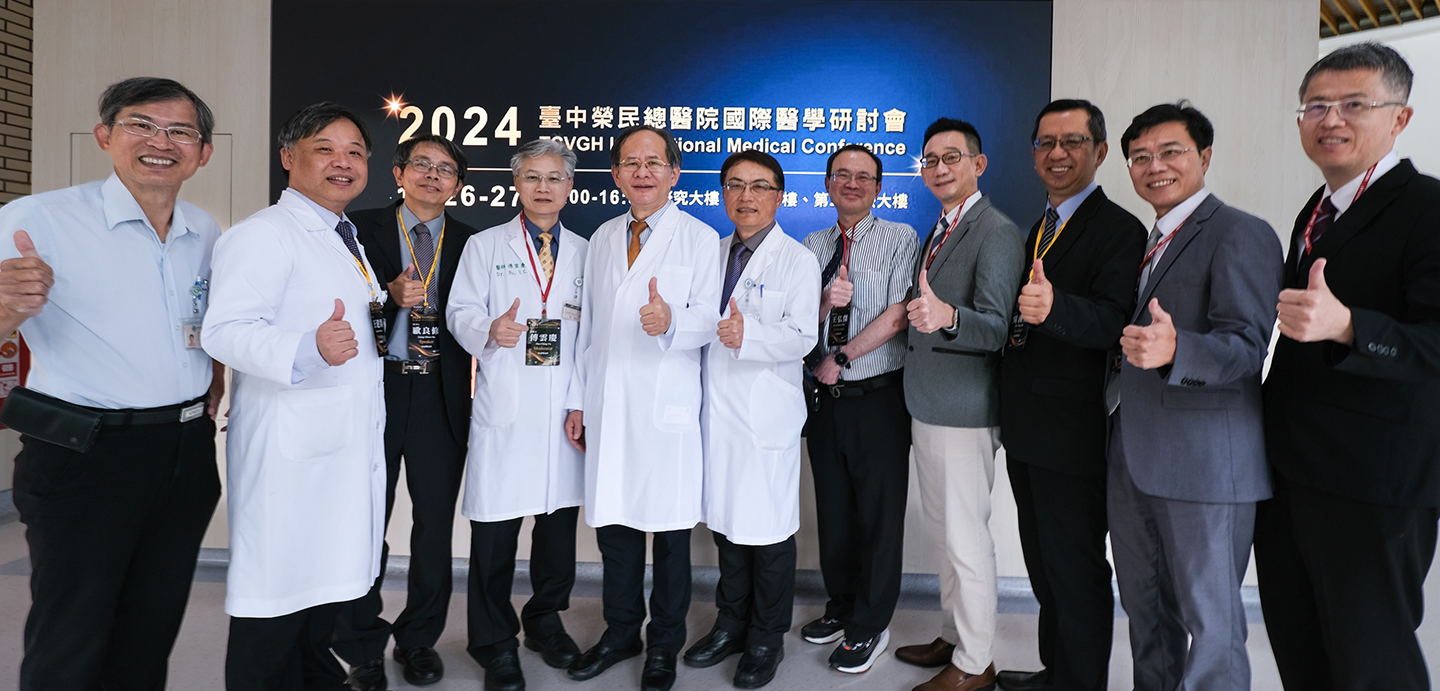
Scar-free with Precision: A New Dimension in Robotic SP Endocrine Surgery
Young Woo Chang
Country : Korea
Official Title : Professor
Department :
Institute : Korea University Ansan Hospital
Speaker CVDa Vinci Single-Port Robotic thyroidectomy: Korea Experience (Purposed)
Robotic thyroidectomy has evolved as a safe and effective alternative to conventional open and endoscopic approaches, with the Da Vinci Single-Port (SP) system representing the latest advancement in minimally invasive endocrine surgery. Since its introduction in Korea, the SP platform has been applied to thyroidectomy with the goal of achieving optimal cosmetic outcomes, reduced postoperative discomfort, and precise dissection within a narrow surgical field. Multiple innovative approaches have been developed to maximize the benefits of SP robotic surgery, including the Single-Port TransAxillary Robotic Thyroidectomy (START), Single-Port RetroAuricular Approach (SPRA), and Gas-Insufflation One-Step Transaxillary (GOSTA) approach, among others. These techniques are now being actively performed in clinical practice, each offering distinct advantages depending on patient anatomy and surgeon preference. This lecture will review our institutional experience with SP robotic thyroidectomy, including patient selection, operative techniques, and perioperative outcomes. Clinical results from our Korean cohort demonstrate that SP robotic thyroidectomy is associated with low complication rates, excellent cosmetic satisfaction, and rapid recovery, while preserving oncologic safety. Challenges such as the learning curve, cost, and patient-specific considerations will also be discussed. Through sharing the Korean experience, this session aims to provide practical insights into optimizing SP approaches and highlight their role in shaping the future of minimally invasive thyroid surgery.

Esthetic Robotic Neck Surgery- Experiences of Taichung Veterans General HosptiaL
Conventional open neck surgery often leaves visible cervical scars, which can negatively impact patients’ quality of life. To address cosmetic concerns, robotic neck surgery with the da Vinci system allows remote incisions in hidden sites such as the axilla or postauricular region. Although not minimally invasive in terms of tissue dissection, this approach reduces psychological stress from visible scars. Robotic thyroidectomy has been developed through various techniques, including gasless transaxillary, bilateral axillo-breast (BABA), gasless postauricular facelift, and transoral approaches, each with advantages and limitations. Compared with conventional thyroidectomy, robotic approaches provide superior cosmetic outcomes and may better preserve postoperative voice quality. However, the learning curve, technical demands, and higher costs remain challenges, though large studies from Korea have demonstrated feasibility and safety of the gasless transaxillary method, which we also adopt to minimize neural injury risks. In selective neck dissection for early oral cancer, more than 70% of patients undergoing conventional procedures are found node-negative yet left with cervical scars. Robotic supra-omohyoid neck dissection via a postauricular route offers an aesthetic alternative, achieving comparable oncological outcomes to conventional surgery while significantly improving scar satisfaction. These techniques represent a balance between oncological safety and cosmetic outcomes in head and neck surgery. In this speech, I will share my experiences in Esthetic Robotic Neck Surgery- Experiences at Taichung Veterans General Hospital.

Evolving Frontiers in Thyroid Surgery: Is Single-Port the Future for Benign Disease?
Robotic single-port (SP) thyroidectomy is emerging as a minimally invasive alternative for treating benign thyroid disease, offering advantages such as enhanced precision, reduced scarring, and faster recovery. Unlike conventional open surgery, the robotic SP approach utilizes a single small incision, often in the axilla or behind the ear, improving cosmetic outcomes while maintaining surgical efficacy. Studies suggest comparable complication rates to traditional methods, with added benefits like improved ergonomics for surgeons. However, challenges include longer operative times, high costs, and a steep learning curve. While not yet the standard, robotic SP thyroidectomy shows promise as a future option for benign thyroid conditions, particularly for patients prioritizing cosmetic results. Further research is needed to validate long-term outcomes and cost-effectiveness.

Nathan Novotny
Country : US
Official Title : Associate Professor
Department :
Institute : Corewell Health William Beaumont University Hospital
Speaker CVda Vinci SP™ Robotic Platform in Pediatric General Surgery: Improved Single‑Site Surgery (Purposed)
Introduction: Single-port robotic surgery(SPRS) provides a single-incision alternative to multiport robotic surgery(MPRS), preserving benefits such as enhanced visualization, dexterity, and ergonomics while reducing the number of incisions. Earlier single-site platforms were limited by instrument mobility and steep learning curves. The da Vinci SP® system addresses these limitations with independently articulated robotic arms that improve precision and maneuverability. Methods: We retrospectively reviewed ten adolescent patients who underwent SPRS using the da Vinci SP® system at our institution between 11/24 and 8/25. Perioperative and postoperative outcomes were assessed, with follow-up in clinic within three weeks. Results: Procedures included cholecystectomy(n=7), femoral hernia repair(n=1), and ovarian cystectomy(n=2). All procedures were completed via a single 1.8-2.5 cm umbilical incision without additional ports or conversion to open. The mean age was 16.4 years(range 14-18), and mean weight was 60.8 kg(range 45.5-77.6). Console times ranged from 21 to 54 minutes(mean 37). All patients were discharged immediately and experienced no postoperative complications. Conclusion: The da Vinci SP® system appears to be a safe and feasible option in adolescent patients, offering a hidden incision and minimal pain. It is an attractive alternative in select cases. Further research is warranted to assess long-term outcomes and cost-effectiveness.
Initial Clinical Experience with Da Vinci SP in Children
Single-port (SP) robotic surgery is increasingly applied in pediatric patients, but early multidisciplinary experiences remain limited. Recent pediatric urology reports suggest feasibility and perioperative outcomes broadly comparable to multi-port platforms, with cosmetic advantages and a manageable learning curve. Methods. We retrospectively reviewed our first five consecutive pediatric Da Vinci SP cases (June–August 2025) at a tertiary referral hospital. Procedures included: Heineke-Mikulicz pyloroplasty for pyloric web, radical nephrectomy, Roux-en-Y hepaticojejunostomy for choledochal cyst, and two ovarian teratoma resections. Primary endpoints: conversion, estimated blood loss (EBL), length of stay (LOS), and perioperative complications; secondary endpoints: operative and console times when available. Results. Five patients (3 female, 2 male) ranged from 8 months to 18 years and 9.9–110 kg. One case (pyloroplasty) converted to open due to inaccurate duodenotomy site. Among completed SP cases, no intra- or postoperative complications were recorded. Reported EBL was 0–9 mL; LOS was documented as 6 days for the choledochal cyst case. Recorded operative times ranged 200–415 min; console times were 172–250 min. These early results align with emerging pediatric SP literature demonstrating technical feasibility (including upper-tract urology and hepatobiliary reconstruction) and low perioperative morbidity in carefully selected patients. Conclusions. Pediatric Da Vinci SP surgery was feasible and safe across diverse procedures in our initial series, with one conversion and otherwise uneventful recoveries. Key considerations include patient selection (age, body habitus, working distance) and team familiarity with SP docking. Prospective registries and comparative studies versus multi-port approaches are warranted, especially for complex hepatobiliary and oncologic indications. Keywords: pediatric surgery; robotic surgery; single-port; da Vinci SP; feasibility; perioperative outcomes

Lee Yong-Seung
Country : Korea
Official Title : Associate Professor
Department :
Institute : Severance Children’s Hospital, Yonsei University Health System
Speaker CV1. Minimally Invasive Surgery in the Field of Pediatric Urology 2. Single Port Robot Pyeloplasty in Children
1. Minimally invasive surgery (MIS) has become widely adopted in pediatric urology, with pyeloplasty and ureteral reimplantation being two representative procedures. Laparoscopic pyeloplasty was first performed in 1995, followed by robotic pyeloplasty in 2004. More recently, since 2019, single-port robotic pyeloplasty has also been applied in children. However, pediatric MIS pyeloplasty presents unique challenges due to limited working space, the small caliber of the ureter, and anatomical variability at the ureteropelvic junction (UPJ). In this context, laparoscopy may offer some spatial advantages over multi-arm robotic systems, while single-port robotic surgery is more restricted because of its greater space requirements. Nevertheless, single-port robotic pyeloplasty can be performed in children older than 4–5 years and provides superior cosmetic outcomes. 2. Robotic ureteral reimplantation, on the other hand, remains largely confined to extravesical approaches, particularly the modified Lich-Gregoir technique. Although recent reports demonstrate improved success rates, outcomes have not consistently surpassed those of open surgery or transvesicoscopic intravesical ureteral reimplantation. The transvesicoscopic approach, widely practiced in Asia, offers notable flexibility, allowing surgeons to tailor various reimplantation techniques to patient-specific conditions. In summary, MIS continues to expand in pediatric urology, but technical limitations and procedure-specific considerations highlight the need for individualized surgical selection.
top