Bridging the Past and Future: New Horizons in Urological Disease Treatment
Dr. Wenxin Xu
Country : Boston, USA
Official Title : Associate Physician
Department :
Institute : Brigham and Women’s Hospital
Speaker CVBlood based biomarkers in kidney cancer
There is an unmet clinical need for blood based assays to detect and monitor renal cell carcinoma (RCC). Kidney injury molecule-1 / T-cell immunoglobulin and mucin domain 1 (KIM-1 / TIM-1) is a transmembrane protein overexpressed in clear cell and papillary RCC, and is an emerging minimally invasive biomarker for disease detection, treatment selection, and longitudinal monitoring. We discuss the development of KIM-1 in the context of other circulating biomarkers for kidney cancer, as well as potential next steps for moving these assays into clinical practice.
Dr. Che-Jui Yang
Country : Taiwan
Official Title : Attending Physician , Division of transplantation surgery, Department of Surgery
Department :
Institute : Taichung Veterans General Hospital
Speaker CVAI in kidney transplantation 人工智慧在腎臟移植中的臨床應用與技術進展
Dr. Tsung-Han Yen
Country : Taiwan
Official Title : Chief Resident, Department of Surgery
Department :
Institute : Taichung Veterans General Hospital
Speaker CVBig Data Clinical Research in the AI Era: Applications of TriNetX in Urological Diseases AI 時代之大數據臨床研究: TriNetX 於泌尿疾病應用
在人工智慧快速發展的時代,大數據平台的應用已逐漸改變臨床研究的模式。TriNetX 作為全球性臨床資料庫,整合多國醫療中心的電子病歷與真實世界數據,為泌尿科相關疾病的研究提供強大工具。透過其龐大的患者樣本,研究者得以快速建立臨床隊列,進行流行病學分析、治療成效比較與生存分析,並可依不同分層條件進行亞組研究。此外,TriNetX 的即時更新與分析功能,能加速假說驗證與臨床決策支持。在泌尿腫瘤、前列腺疾病及腎臟移植等領域,均展現出其潛力,為臨床研究帶來新契機,推動精準醫療的落實。
Dr. Chia Cheng Chang
Country : Taiwan
Official Title : Attending Surgeon, Male Fertility and Functional Urology
Department :
Institute : Taichung Veterans General Hospital
Speaker CV人工智慧在排尿障礙的應用 AI in urodynamic study: TCVGH experience in BPH patients
隨著人工智慧的蓬勃發展,在各個醫療領域也廣泛應用。功能性泌尿學是其中非常適合大數據分析的領域。回顧近幾年的應用,主要著墨於神經性膀胱錄像分析、侵入性檢查必要性評估、下泌尿道症狀診斷分析等等。包含數據、影像資料統合分析,進行診斷、檢查、治療選項及預期療效評估。 台中榮總功能性泌尿學發展已久,累積的數據及影像資料庫相當豐富。近期也針對排尿障礙的尿路動力資料進行人工智慧分析,針對初步分析成果與大家分享。 With the rapid advancement of artificial intelligence, its applications have become widespread across various medical fields. Functional urology represents a discipline particularly well suited for big data analytics. In recent years, research has primarily focused on video-urodynamic analysis of neurogenic bladder, assessment of the necessity of invasive examinations, and diagnostic evaluation of lower urinary tract symptoms. These approaches integrate clinical data and imaging information to support diagnosis, examination planning, therapeutic decision-making, and prediction of treatment outcomes. At Taichung Veterans General Hospital, functional urology has been extensively developed over many years, resulting in a comprehensive database of clinical and imaging records. Recently, artificial intelligence has been applied to analyze urodynamic data related to voiding dysfunction. Preliminary findings from these analyses will be shared with colleagues.

Dr. Cheng-En Mei
Country : Taiwan
Official Title : Attending Surgeon, Male Fertility and Functional Urology
Department :
Institute : Taichung Veterans General Hospital
Speaker CV人工智慧於男性醫學領域 AI in Andrology
隨著大數據與運算能力的飛躍,人工智慧(AI)技術逐漸被導入泌尿科學領域,特別是在男性學(Andrology)中展現出令人矚目的潛力。AI工具,如機器學習(Machine Learning, ML)與深度學習(Deep Learning, DL),目前發展應用於診斷、風險預測、治療成效預測及精準醫療決策中。 一、勃起功能障礙(Erectile Dysfunction, ED) AI已被用於開發可辨識ED風險因子的預測模型。研究顯示,利用患者臨床資料(如年齡、代謝疾病、抽血檢查等),機器學習模型能有效預測ED的發生。某些研究也探索將AI應用於影像診斷,如陰莖多普勒超音波或夜間勃起監測結果的自動分析,以提升診斷精確度並減少操作者間差異。 二、男性不孕(Male Infertility) 在精液分析方面,AI已可協助進行自動化的精子分類與運動分析,大幅提升精準度。部分研究針對病患的基本資料去分析預測取精手術成功的機率及精索靜脈結紮術後精蟲活性之預測。AI演算法亦被應用於預測精子冷凍後的活力或受孕能力,並支援試管嬰兒之精子選擇策略。 三、醫療影像之應用 對於攝護腺癌,超音波及核磁共振可以根據AI的學習及分析,提升癌症的診斷。人工智慧在睪丸超音波檢查中的應用相較來說研究較少,但有部分研究在分析良性及惡性影像之分析,可能在睪丸保留手術中發揮作用,也有根據睪丸影像的紋理及剪切波彈性成像 (SWE) 去判斷精蟲之成熟度、區分阻塞性和非阻塞性無精子症。 四、未來展望與挑戰 AI在男性學的發展雖迅速,但仍需克服數據隱私、模型透明度與臨床驗證等挑戰。跨中心的大規模資料整合及多國合作將是關鍵。未來,結合AI與臨床決策支持系統有望成為泌尿科門診中的標準工具,為男性健康管理帶來革命性改變。 With the rapid advances in big data and computing power, artificial intelligence (AI) technologies are increasingly being applied in urology, particularly in andrology, where they demonstrate remarkable potential. AI tools such as machine learning (ML) and deep learning (DL) are currently being developed for diagnosis, risk prediction, treatment outcome forecasting, and precision medical decision-making. 1. Erectile Dysfunction (ED) AI has been used to develop predictive models that identify risk factors for ED. Studies have shown that ML models, based on clinical data such as age, metabolic diseases, and laboratory tests, can effectively predict ED occurrence. Some research has also explored AI in imaging diagnostics, including automated analysis of penile Doppler ultrasound and nocturnal penile tumescence tests, enhancing diagnostic accuracy while reducing inter-operator variability. 2. Male Infertility In semen analysis, AI enables automated sperm classification and motility assessment, greatly improving precision. Certain studies have utilized patient baseline data to predict the success rate of sperm retrieval procedures and postoperative sperm motility following varicocelectomy. AI algorithms have also been applied to predict sperm viability and fertilization capacity after cryopreservation, as well as to assist in sperm selection strategies for in vitro fertilization (IVF). 3. Applications in Medical Imaging For prostate cancer, ultrasound and MRI interpretation can be enhanced through AI-based learning and analysis, improving diagnostic accuracy. Research on AI applications in testicular ultrasound is relatively limited, but some studies have investigated its role in differentiating benign from malignant lesions, which may benefit testis-sparing surgery. Additionally, AI-assisted texture analysis and shear-wave elastography (SWE) of testicular imaging have shown potential in assessing sperm maturation and distinguishing between obstructive and non-obstructive azoospermia. 4. Future Perspectives and Challenges Although AI in andrology is developing rapidly, challenges remain, including data privacy, model transparency, and clinical validation. Large-scale, multicenter data integration and international collaboration will be essential. In the future, the integration of AI with clinical decision support systems is expected to become a standard tool in urology outpatient practice, bringing transformative changes to men’s health management.
Dr. Cheng-Che Chen
Country : Taiwan
Official Title : Director of Prostate Center, Department of Urological Medicine; Attending Physician, General Urology.
Department :
Institute : Taichung Veterans General Hospital
Speaker CVAI in Urine Cytology 人工智慧在尿液細胞學中的應用
台灣男性發生泌尿上皮癌的機會在第十一名,相較於西方國家,台灣人發生上泌尿道泌尿上皮癌的機會更是異常的高。這些病患通常是以無痛性血尿表現,在門診通常是以非侵入型的檢查為主,這些檢查包括尿液常規檢查,尿液細胞學檢查,超音波,甚至電腦斷層檢查,然而這些檢查的敏感性是低的,後續可能還需要以侵入性的輸尿管鏡檢查加上切片,才能夠確定診斷。因此,我們需要一種方便又準確的檢查,來當作診斷的工具,甚至可以作為篩檢的工具。根據之前的研究結果,利用人工智慧平台分析尿液,可以比傳統尿液細胞學檢查獲得更高的診斷率。本研究希望利用人工智慧平台分析尿液,分析其細胞的特性,探討是否可以及早發現尿路上皮癌。我們共收集38例正常人的尿液,及225例泌尿上皮癌病患的尿液進行分析,透過先前人工智慧平台已完成的深度學習所建立起的泌尿上皮癌的人工智慧預測模式,對這263例尿液樣本進行輔助辨識,得到研究成果。研究發現,透過人工智慧平台,在細胞的型態,包含細胞膜的不規律情形,細胞核濃染,還有核仁的面積,都可以作為預測尿路上皮癌發生的參數。 In Taiwan, the incidence of urothelial carcinoma in men ranks 11th among all cancers. Compared with Western countries, the occurrence of upper tract urothelial carcinoma (UTUC) in Taiwan is exceptionally high. These patients often present with painless hematuria. In outpatient settings, non-invasive examinations such as urinalysis, urine cytology, ultrasound, and even computed tomography are commonly used; however, their sensitivity remains low. Consequently, invasive procedures like ureteroscopy with biopsy are often required for a definitive diagnosis. Therefore, there is a strong need for a convenient and accurate diagnostic tool, which could even serve as a screening method. Based on previous studies, using an artificial intelligence (AI) platform to analyze urine samples has demonstrated a higher diagnostic rate than conventional urine cytology. In this study, we aimed to apply an AI platform to analyze urine samples, focusing on cellular characteristics, to evaluate its potential in the early detection of urothelial carcinoma. We collected 38 urine samples from healthy individuals and 225 samples from patients with urothelial carcinoma. These 263 samples were analyzed using a deep learning–based AI prediction model for urothelial carcinoma, previously developed on our AI platform. The results showed that the AI platform could identify morphological features of cells, including irregularities of the cell membrane, nuclear hyperchromasia, and nucleolar area, all of which can serve as predictive parameters for urothelial carcinoma.
Dr. Shu-Chi Wang
Country : Taiwan
Official Title : Attending Surgeon, General Urology
Department :
Institute : Taichung Veterans General Hospital
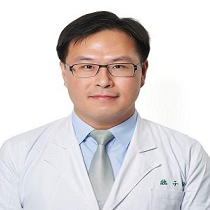
Speaker CVAI in stone detection
AI is currently used in a variety of clinical diagnostics. Previous research on AI for urinary stones has primarily focused on imaging. This time, we are using AI to assist in analyzing patient urine samples and to determine whether the results are practical for clinical application.
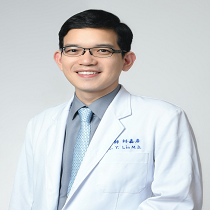
Dr. Tzu-Chun Wei
Country : Taiwan
Official Title : Attending Physician, Department of Urology
Department :
Institute : Taipei Veterans General Hospital
Speaker CVState-of-the-Art in first line combination treatment with IO plus chemotherapy in mUC patients
Advancements in immuno-oncology (IO) have significantly transformed the treatment landscape of advanced urothelial cancer (UC), providing new therapeutic options that offer promising outcomes for patients. As the standard of care continues to evolve, there is an increasing emphasis on optimizing first-line therapy, particularly through the use of strategic IO combinations. These combinations hold the potential to improve clinical outcomes. However, to fully realize the benefits of IO combinations, a thorough understanding of several key factors is essential. This lecture will explore the critical strategies that maximize therapeutic efficacy in the context of advanced UC treatment. Patient selection plays a pivotal role in determining the appropriate combination therapies, considering factors such as biomarker expression and tumor burden. Additionally, managing adverse events is crucial for ensuring treatment continuity and patient quality of life. We will also discuss the importance of treatment sequencing, where the timing and combination of IO therapies with other modalities, such as chemotherapy or targeted therapies, can optimize therapeutic benefits. Furthermore, financial considerations are a significant challenge, with the high cost of novel treatments posing barriers to accessibility for some patients. Addressing these economic issues will be key to making advanced IO therapies more widely available. By understanding the nuances of IO combination therapies, healthcare providers can better tailor treatment strategies to not only enhance survival outcomes but also improve the overall quality of life for patients with advanced UC. Through this approach, we can maximize the potential of immuno-oncology to reshape the therapeutic landscape for this challenging disease.
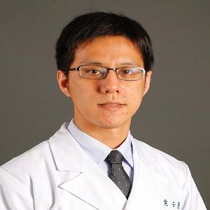
Dr. Chia-Yen Lin
Country : Taiwan
Official Title : Attending Surgeon, General Urology
Department :
Institute : Taichung Veterans General Hospital
Speaker CVTransforming First-Line Urothelial Carcinoma: how to optimize EVP treatment in real world setting
EV-302 trial has marked a significant milestone in the treatment landscape of advanced urothelial carcinoma (UC), demonstrating a substantial improvement in both progression-free survival (PFS) and overall survival (OS) with the combination of enfortumab vedotin (EV) and pembrolizumab compared to standard chemotherapy. This first-line regimen not only achieved superior efficacy outcomes but also showcased early separation in Kaplan-Meier curves, suggesting a durable benefit for a broader patient population, including those ineligible for cisplatin. Despite its clinical promise, the combination therapy is associated with a unique spectrum of treatment-related adverse events, such as skin rash, peripheral neuropathy, and hyperglycemia. Proper identification and proactive management of these side effects are critical to maintaining treatment adherence and maximizing long-term benefit. Practical strategies—ranging from early dermatologic evaluation to dose modifications—play a central role in clinical practice. Real-world cases further illustrate the versatility and effectiveness of the EV + Pembro regimen. These insights help bridge the gap between controlled clinical data and practical treatment decisions, reinforcing the value of EV-302 in routine care.
Dr. Tzu-Hao Huang
Country : Taiwan
Official Title : Attending Physician, Department of Urology
Department :
Institute : Taipei Veterans General Hospital
Speaker CVThe Role of ARPi in mCSPC management
The Standard of Care for patients with metastatic castration-sensitive prostate cancer (mCSPC) is a doublet or a triplet therapy containing ADT and androgen receptor pathway inhibitors (ARPi) with or without chemotherapy based on the worldwide guidelines. Considering doublet or triplet , there are some systematic review and meta-analyses , but a definitive conclusion regarding the superiority or preference of triplet vs doublet therapy cannot be easily drawn. As for which patients with metastatic hormone-sensitive prostate cancer benefit more from ARPIs are discussed in STOPCAP meta-analysis, that concludes there is clear benefit form all ARPI for younger patients and should consider benefits and risks of abiraterones and “amides” for older patients. From real world evidence from a nationally representative claims database in Japan demonstrate that use of APA+ADT as starting treatment for patients with mCSPC was associated with statistically significantly prolonged castration sensitivity and survival and induced faster and deeper PSA responses compared to traditional CAB or ADT. In real world evidence, until now there is lack of large-scale real-world data for triplet vs doublet therapy currently. For high-risk patient, biomarkers and advanced nuclear imaging techniques may improve the identification and treatment should be based on an individual risk–benefit approach
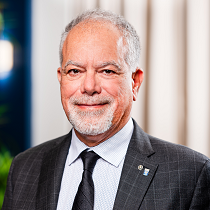
Prof. Fred Saad
Country : Canada
Official Title : Uro-oncologist, Urology Department
Department :
Institute : Montreal Cancer Institute, Universite de Montreal
Speaker CVAdvancing Personalized Multidisciplinary Care for mHSPC
Advancing Personalized Multidisciplinary Care for mHSPC is an expert-led session dedicated to optimizing drug treatment strategies for metastatic hormone-sensitive prostate cancer (mHSPC). With multiple systemic therapy options now available, including androgen deprivation therapy (ADT) alone or in combination with androgen receptor inhibitors (ARIs) such as enzalutamide, apalutamide, or darolutamide, as well as chemotherapy with docetaxel, clinicians face increasingly complex decision-making. This program will examine the latest evidence guiding treatment intensification, comparing ARI-based regimens and chemotherapy in terms of efficacy, safety, and patient-reported outcomes. Factors influencing drug selection—such as disease volume, metastatic burden, comorbidities, treatment tolerance, and patient preferences—will be discussed in depth. The role of combination approaches (e.g., ADT + ARI + docetaxel) and the timing of therapy initiation will also be explored. Through case-based discussions and multidisciplinary perspectives, participants will learn practical strategies for sequencing and switching treatments, managing toxicities, and ensuring adherence. The goal is to equip healthcare professionals with the knowledge to deliver truly personalized drug regimens that maximize survival benefits while preserving quality of life. This session is designed for clinicians who want to stay at the forefront of mHSPC pharmacologic management and make confident, evidence-based treatment choices.
Dr. Chung-You Tsai
Country : Taiwan
Official Title : Attending Physician, Department of Urology
Department :
Institute : Far Eastern Memorial Hospital
Speaker CVBridging AI Frontiers and Urology: How Multimodal and Agentic AI will shap 2025
Talk Abstract Summary This presentation will take you beyond the current frontiers of AI to explore the two core technologies poised to reshape urology by 2025: Multimodal and Agentic AI. Through an empirical study comparing 15 leading AI models against human experts, we will reveal how AI is evolving from a simple language responder into an autonomous agent capable of planning, using tools, and executing complex tasks. Ultimately, you will gain a clear vision of how an AI agent, integrated with EHRs and equipped with autonomous research capabilities, will revolutionize clinical decision-making and personalized treatment. This Session Will Cover: • The AI Development Roadmap: Understand the evolutionary path from Large Language Models (LLMs) to the Multimodal and Agentic AI of 2025. • The Core of Agentic AI: Grasp how AI is evolving into an autonomous entity that can independently plan, use tools, and complete complex tasks. • General vs. Domain-Specific AI: Explore the trade-offs between the broad capabilities of general LLMs and the deep knowledge of specialized Medical-LLMs. • The Architecture of an AI Agent: Gain a deep dive into how agents integrate Planning, Memory, and Tools to execute their objectives. • AI vs. Human Experts—An Empirical Showdown: Discover the compelling results of a benchmark study comparing 15 AI models to urology experts in prostate cancer risk assessment. • The Power of Multimodality: See how AI can interpret and synthesize data from diverse sources, including text, medical images (CT/MRI), and pathology reports. • Automating Research with "Deep Research": Learn how AI can act as a research assistant to proactively search, filter, and summarize the latest medical literature. • Clinical Workflow Integration: Discuss the integration of Agentic AI systems with Electronic Health Records (EHR) and Hospital Information Systems (HIS). • Implementing Workflow Automation: An introduction to no-code tools like Make and n8n for creating custom AI-powered automated workflows. • The Future of Urology in 2025: A forward-looking perspective on how Agentic AI will reshape clinical decision-making, personalized medicine, and urological research.
Dr. Cheng-Kuang Yang
Country : Taiwan
Official Title : Chief of Urologic Oncology
Department :
Institute : Taichung Veterans General Hospital
Speaker CVAI in robotic surgery
Automated skills assessment can provide surgical trainees with objective, personalized feedback during training. Here, we measure the efficacy of artificial intelligence (AI)-based feedback on a robotic suturing task.For feedback group, participants were informed of their AI-based skill assessment and presented with specific video clips . For control group, participants were presented with randomly selected video clips Participants from each group were further labeled as underperformers or innate-performers based on a median split of their technical skill score. All innate-performers exhibited similar improvements across rounds, In contrast, underperformers in the feedback group improved more than the control group in needle handling . AI-based feedback facilitates surgical trainees' acquisition of robotic technical skills, especially underperformers. Future research will extend AI-based feedback to additional suturing skills, surgical tasks, and experience groups.
Dr. Hsiang-Chen Hsieh
Country : Taiwan
Official Title : Attending Surgeon, Urological Oncology
Department :
Institute : Taichung Veterans General Hospital
Speaker CVExpression Analysis of NBR1 and Immune-Related Biomarkers in Urothelial Carcinoma and Its Clinical Implications
Background Urothelial carcinoma (UC), most commonly originating in the bladder, followed by the ureter and renal pelvis, exhibits considerable clinical heterogeneity with wide variations in treatment response and prognosis. Recent studies have highlighted the potential of autophagy-related proteins and immune biomarkers within the tumor microenvironment as diagnostic, prognostic, and therapeutic indicators. This single-center, prospective study aims to investigate the expression profiles of the autophagy-related protein NBR1 and several immune-related biomarkers in UC tissues and to explore their associations with clinicopathological parameters and patient outcomes. Materials and Methods This is a retrospective study based on specimens from our institutional biobank. We plan to include approximately 500 formalin-fixed paraffin-embedded (FFPE) tissue blocks from patients diagnosed with urothelial carcinoma between January 1, 2015, and April 30, 2025. Immunohistochemical (IHC) staining will be conducted to evaluate the expression of the following markers: NBR1, PD-1, PD-L1, CD8, FOXP3, Ki-67, p53, GATA3, and CK5/6. Staining results will be semi-quantitatively assessed and correlated with tumor stage, grade, recurrence, metastasis, and immune microenvironment features. Expected Outcomes This study is expected to reveal the expression patterns and clinical relevance of NBR1 and key immune biomarkers in urothelial carcinoma. The findings may contribute to the development of a multi-marker interaction model, providing valuable insights for future personalized treatment strategies and prognostic risk stratification. 關鍵詞:Urothelial carcinoma, NBR1, Immunohistochemistry, Biomarkers, Prognostic factor
Dr. Peng-Yen Wu
Country : Taiwan
Official Title : Attending Surgeon, General Urology
Department :
Institute : Taichung Veterans General Hospital
Speaker CVAI in prostate cancer Image
Accurate localization of clinically significant prostate cancer remains challenging due to the subtle and heterogeneous appearance of lesions on multiparametric magnetic resonance imaging (mpMRI) and the inherent subjectivity of radiologist interpretation. We are developing a novel artificial intelligence (AI) framework that integrates whole-mount histopathology with preoperative mpMRI to enhance lesion detection and characterization. Using digitized radical prostatectomy specimens, regions of interest—including Gleason patterns 3, 4, 5, and necrosis—are meticulously annotated and spatially aligned with corresponding mpMRI findings. These pathology-grounded annotations serve as training data for a deep learning model leveraging transformer-based segmentation architectures, aiming to identify imaging signatures correlated with histopathological features. Preliminary results demonstrate promising concordance between AI-predicted lesion maps and ground-truth pathology, suggesting potential improvements over PI-RADS-based assessment. This approach could advance precision in prostate cancer diagnosis, facilitate targeted biopsy, and ultimately support more individualized treatment strategies.
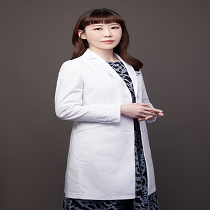
Dr. Yi-Ching Lin
Country : Taiwan
Official Title : Attending Physician, Department of Nuclear Medicine
Department :
Institute : Taichung Veterans General Hospital
Speaker CVPSMA THERANOSTIC- RLT TREATMENT FOR PC 介紹與經驗分享
PSMA theranostics combines diagnosis and therapy, utilizing radioligand therapy (RLT) to treat prostate cancer. It is suitable for patients with advanced or initially metastatic disease, offering both efficacy and safety. Clinical experience has shown that PSMA theranostics not only improves disease control but also enhances patients’ quality of life. However, challenges remain in patient selection and integration of treatment workflows. Continued accumulation of clinical data and real-world experience will be essential for further optimization.
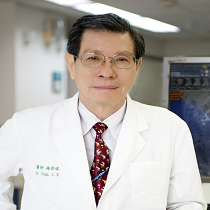
Dr. Chi-Rei Yang
Country : Taiwan
Official Title : Attending Physician, Department of Urology
Department :
Institute : China Medical University Hospital
Speaker CVtop