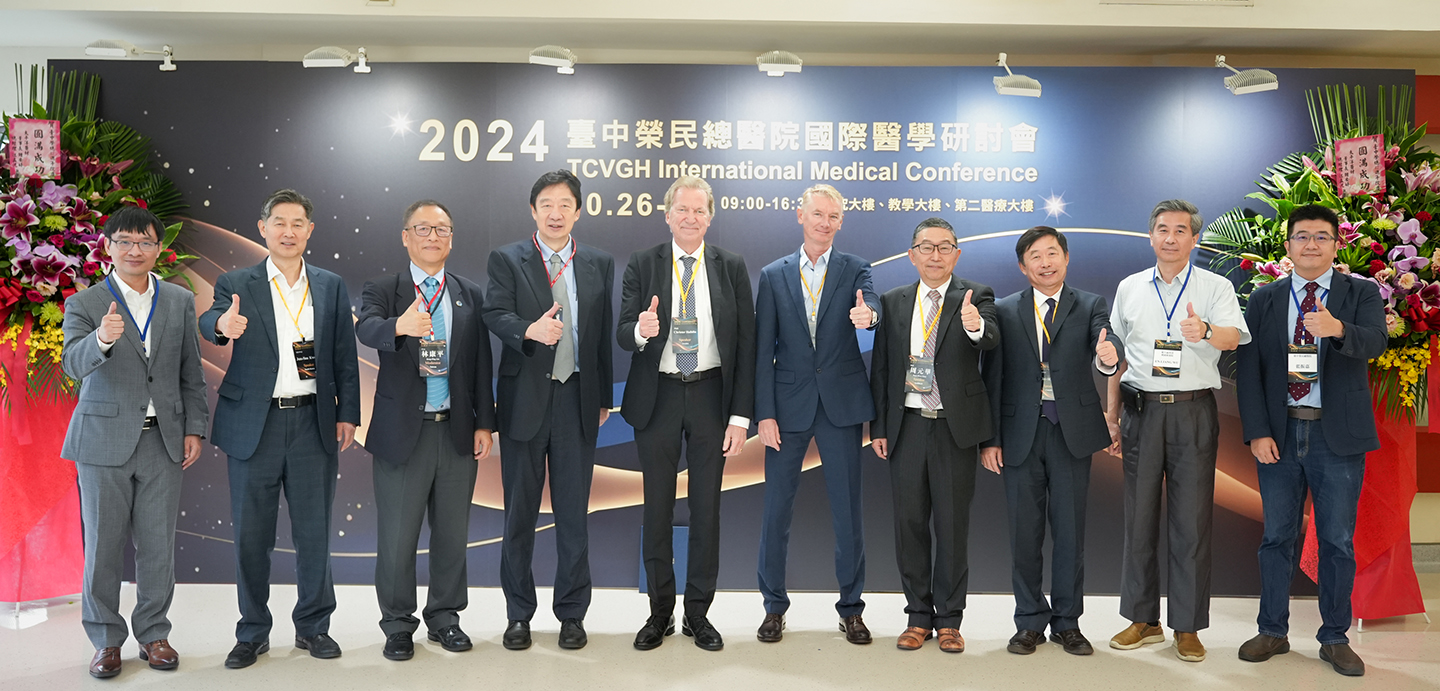
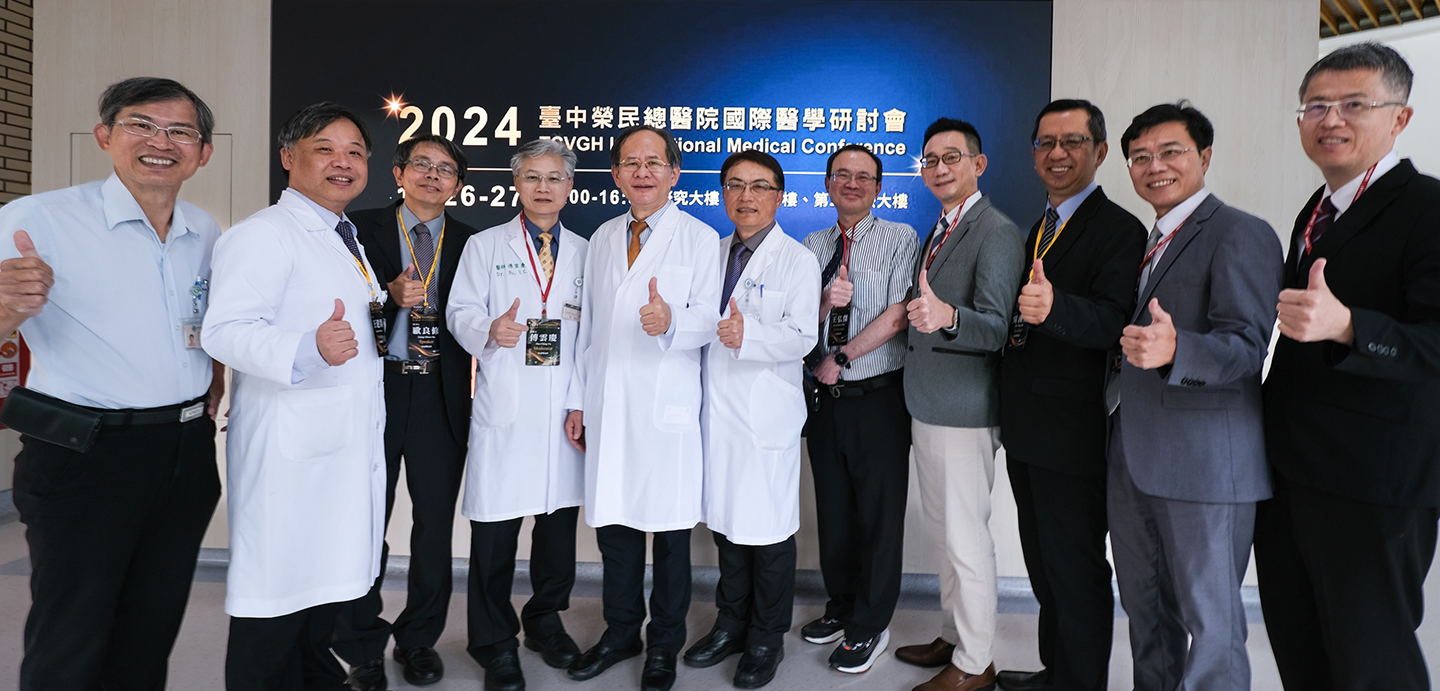
Post-traumatic stress disorder: Past, Present and Future
Chao-Chin Chang
Country : Taiwan
Official Title : 副校長
Department :
Institute : National Chung Hsing University
Speaker CVRemarks by Guest of Honor

Andrew J. Greenshaw
Country : Alberta, Canada
Official Title : Professor
Department :
Institute : University of Alberta
Speaker CVAI applications for PTSD, current and future perspectives.
Posttraumatic Stress Disorder (PTSD) remains a highly heterogeneous condition, with varied symptom profiles and treatment responses across individuals. Recent advances in artificial intelligence (AI) and machine learning offer new opportunities to address these challenges. Current applications include the use of predictive algorithms to identify individuals at risk, natural language processing to detect trauma-related patterns in speech and text, and digital phenotyping through wearable sensors to monitor physiological markers of stress. AI is also being integrated into computational psychiatry models, enabling more precise characterization of the neurobiological and psychosocial mechanisms underlying PTSD. Looking forward, future perspectives emphasize the development of personalized treatment strategies, including AI-assisted psychotherapy, adaptive mobile health interventions, and integrative models combining neuroimaging, genetics, and behavioral data. Ethical considerations, such as privacy, transparency, and equitable access, remain crucial for implementation. By bridging neuroscience, psychiatry, and digital technologies, AI holds promise to transform PTSD diagnosis, prognosis, and treatment, contributing to more effective and individualized mental health care.
Shiow-Wen Yang
Country : Taiwan
Official Title : MD
Department :
Institute : Taichung Veterans General Hospital
Speaker CVPost-Traumatic Stress Disorder in Taiwan
Post-traumatic stress disorder (PTSD) is a significant mental health challenge worldwide, but its manifestations and trajectories are deeply shaped by cultural and contextual factors. Taiwan, having faced a series of large-scale collective traumas over the past three decades, including the 1999 Chi-Chi earthquake, Typhoon Morakot, the 2014 Kaohsiung gas explosions, the 2015 Formosa Fun Coast burn disaster, and the SARS and COVID-19 outbreaks, offers a unique lens through which to understand the epidemiology and course of PTSD. This presentation will synthesize evidence from Taiwanese studies across diverse populations, including children, elderly Indigenous communities, burn survivors, first responders, and healthcare workers. Key findings highlight that PTSD prevalence is often high in the acute phase and may persist for years, with risk shaped by exposure severity, bereavement, ongoing pain, and limited social support. Despite resilience and evidence of post-traumatic growth, a substantial subgroup continues to experience chronic morbidity. Measurement approaches in Taiwan have ranged from structured diagnostic interviews and standardized self-report scales to population-based insurance data, though gaps remain in longitudinal follow-up, biometrics, and digital assessment. These lessons underscore the urgent need for innovative strategies, including AI, VR, and novel therapeutics, to improve prevention, monitoring, and treatment of PTSD in Taiwan.

Eric Vermetten
Country : Netherlands
Official Title : Professor
Department :
Institute : Leiden University Medical Center
Speaker CVHot Topics and the State of the Art in PTSD Treatment
PTSD remains one of the most challenging and consequential mental health conditions worldwide, affecting civilians and uniformed professionals alike. Over the past five decades, its conceptualization and treatment have evolved from narrow, combat-focused syndromes to multidimensional models that integrate biological, psychological, and social determinants. This presentation will highlight hot topics shaping the current and future state of PTSD care. Historical developments will be briefly reviewed, from early psychodynamic and supportive therapies to today’s evidence-based trauma-focused psychotherapies such as prolonged exposure, cognitive processing therapy, and EMDR. We will then examine cutting-edge interventions, including MDMA-assisted psychotherapy, multimodal immersive approaches like 3MDR, novel pharmacological agents, and digital therapeutics that extend care beyond traditional clinical settings. Emerging frontiers - precision psychiatry, biomarker-informed treatment selection, integration of moral injury and resilience frameworks, and scalable delivery in low-resource or crisis environments - will be critically discussed. By combining a historical lens with forward-looking perspectives, this presentation will offer participants a clear synthesis of where the field has been, where it stands today, and the innovations most likely to define the next decade of PTSD treatment.
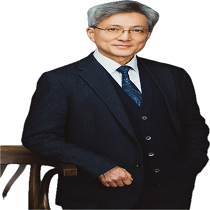
Michael Wong
Country : Hong Kong
Official Title : Professor
Department :
Institute : FRCPsych, University of Hong Kong
Speaker CVThe Role of Dopamine Partial Agonists in PTSD
Post-traumatic stress disorder (PTSD) is characterized by intrusive memories, hyperarousal, and emotional dysregulation, with dopaminergic dysfunction increasingly recognized as a key neurobiological factor. Dopamine partial agonists, with their stabilizing effects on dopaminergic transmission, represent a promising therapeutic option in managing PTSD symptoms. This lecture will explore the pharmacological rationale, clinical evidence, and practical considerations for the use of dopamine partial agonists in PTSD treatment. Emphasis will be placed on their role in reducing hyperarousal, enhancing cognitive flexibility, and improving overall functional outcomes. The session will also address challenges in integrating these agents into real-world clinical practice and highlight future directions for research and personalized care in trauma-related disorders.
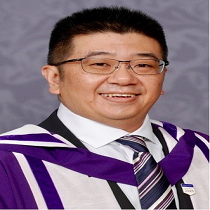
Chen-Chia Lan
Country : Taiwan
Official Title : MD
Department :
Institute : Taichung Veterans General Hospital
Speaker CVRewiring Trauma: The Neuroscience and Evidence of Psychedelic Treatments for PTSD
Post-traumatic stress disorder (PTSD) remains a challenging condition, often resistant to conventional pharmacotherapy and psychotherapy. Recent clinical research has focused on psychedelic-assisted therapy—particularly involving MDMA, ketamine, and psilocybin—as novel interventions to facilitate trauma processing by enhancing neuroplasticity and emotional integration. This talk synthesizes the current neuroscientific understanding and clinical trial evidence for psychedelic treatments in PTSD, with emphasis on MDMA-assisted psychotherapy, which has demonstrated substantial symptom remission in Phase II and III trials. Ketamine-assisted psychotherapy also shows promise, particularly for rapid symptom reduction. While psilocybin’s therapeutic mechanisms are compelling, formal PTSD trials remain lacking. Critically, all existing clinical efficacy is associated with structured psychedelic-assisted therapy, not psychedelic use alone. Psychedelics without psychotherapy may increase risk in trauma-exposed populations. The talk will explore biological mechanisms, treatment protocols, ethical considerations, and future research needs, offering a comprehensive and evidence-based perspective on this evolving frontier in trauma care.
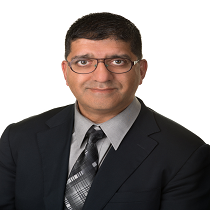
Rakesh Jetly
Country : Canada
Official Title : MD
Department :
Institute : Canadian Institute for Military and Veteran Health Research
Speaker CVWounds of the Soul: Positioning Moral Injury Within the PTSD Framework
Wounds of the soul—deep psychological and spiritual injuries—often arise from experiences that violate one’s core moral beliefs. Moral injury, a concept gaining prominence in trauma research, refers to the distress resulting from actions, or the failure to act, that transgress deeply held ethical values. Unlike traditional post-traumatic stress disorder (PTSD), which centers on fear-based responses to life-threatening events, moral injury is rooted in guilt, shame, and existential conflict. It frequently coexists with PTSD but represents a distinct dimension of trauma, particularly among military personnel, healthcare workers, and first responders. While PTSD may manifest through hyperarousal, flashbacks, and avoidance, moral injury presents as spiritual despair, loss of trust, and a fractured sense of self. Integrating moral injury into the broader framework of PTSD challenges clinicians to address not only psychological symptoms but also the ethical and spiritual dimensions of trauma. Healing these wounds of the soul requires approaches that foster forgiveness, meaning-making, and moral reconciliation. Recognizing moral injury within PTSD expands our understanding of trauma and underscores the need for holistic, compassionate care that honors the moral complexity of human suffering.
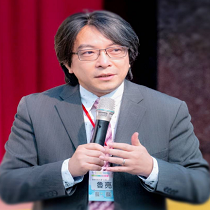
Liang-Chun Lu
Country : Taiwan
Official Title : 副教授
Department :
Institute : Lunghwa University of Science and Technology
Speaker CVVirtual Reality For PTSD: From Research to Clinical Development
Post-Traumatic Stress Disorder (PTSD) remains a persistent mental health condition that often proves resistant to traditional therapeutic approaches. Virtual Reality (VR) technology has emerged as a promising adjunct in PTSD treatment by offering immersive, controllable environments for exposure-based interventions. This study traces the evolution of VR applications in PTSD therapy and highlights key findings on its efficacy in reducing symptoms and regulating emotional responses. Building on this foundation, we integrate the core principles of Eye Movement Desensitization and Reprocessing (EMDR) and Multi-modular Motion-assisted Memory Desensitization and Reconsolidation (3MDR) into gamified VR scenarios. These immersive modules emphasize selective attention training through real-time performance tracking and dynamic adaptation, forming the basis of a novel system aiming to reduce sensitivity to traumatic memories by enhancing attentional control mechanisms. We further refine the gamification and interactivity of VR environments to foster deeper clinical engagement and improve adherence to therapeutic protocols. The study also addresses practical challenges such as accessibility, cost, personalization, and user acceptance, proposing the incorporation of AI-driven adaptive scenarios to tailor treatment plans to individual variation needs. Ultimately, this research positions VR as a patient-centered, innovative-driven modality for PTSD treatment, bridging the gap between scientific research and clinical application to enhance therapeutic outcomes and long-term well-being.
Po-See Chen
Country : Taiwan
Official Title : Director
Department :
Institute : Ministry of Health and Welfare
Speaker CVtop